Pet advice
Birds
Bird care notes covering housing, diet, sexing, microchipping and common problems by species.
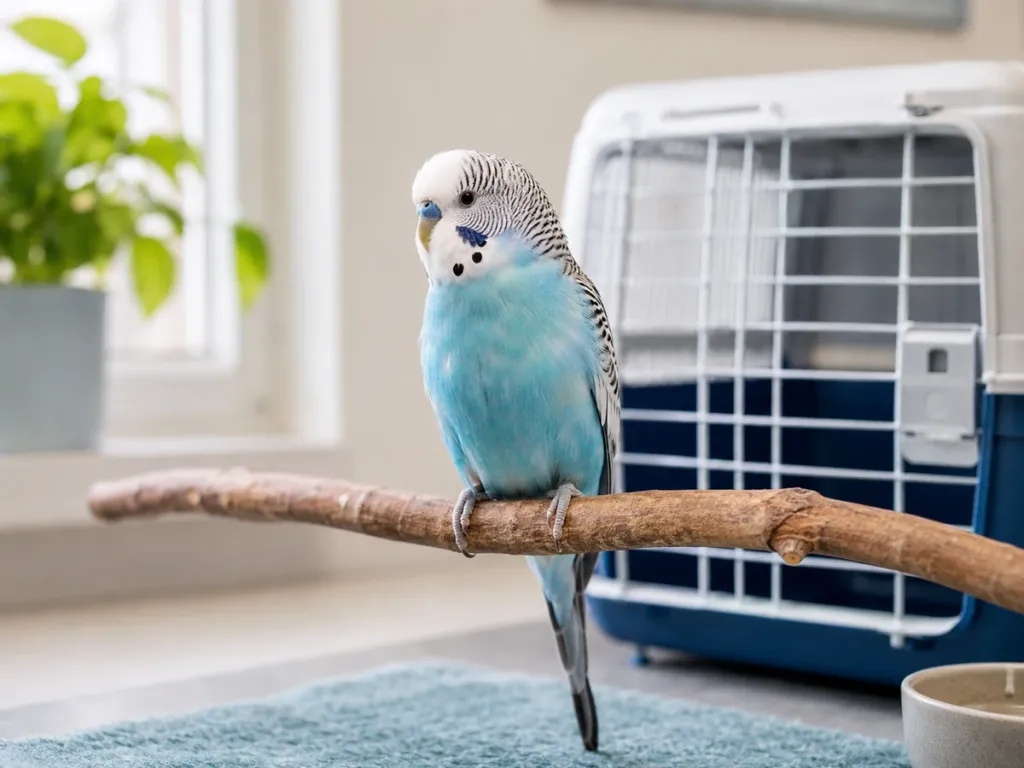
These notes cover many species of birds: backyard poultry, swans and geese, parrots, finches, canaries, budgerigars, lovebirds, parakeets, cockatoos, macaws, lorikeets and toucans, racing pigeons, ornamental doves and birds of prey.
One of the questions we’re regularly asked is: how do I keep them fit and healthy?
To keep them healthy you will need to ensure they are adequately housed and fed the correct diet for the species concerned. Birds may be kept indoors or in an outdoor aviary. Any cage must allow the bird or birds to fully extend their wings in every direction.
Some species will need their beaks and nails clipping, and some will also need their wings clipped. An experienced handler or qualified professional should show you safe technique before you try this yourself.
Male or female?
It’s easy to tell the sex of some species:
- Budgies. Male birds have a blue cere (the area above the beak) and females have a brown cere.
- Cockatoos. The males have a blue iris and the females a brown iris.
- Canaries. Listen carefully — usually only the male bird sings.
Microchipping
Microchips are vital in birds, especially since many birds are very valuable, and a small microchip inserted under the right wing will always identify the bird as yours. The chip has a unique 15-digit number that correlates with your contact details.
What can go wrong?
This varies by species, but the common problems are:
- Respiratory disease, especially in budgies and parrots. This is a disease called psittacosis that can also affect humans.
- Bowel and liver problems.
- Kidney problems, especially in older budgies.
- Nervous diseases of pigeons.
- “Flying light” disorders of the birds of prey.
- Reproductive problems in many birds — egg-binding and other disorders.
Bird essentials
- Any cage must let the bird fully extend its wings in every direction
- Diet must be correct for the species — there is no universal bird food
- Some species need beaks and nails clipping, and some need wings clipped
- A microchip under the right wing permanently identifies a valuable bird
- Some clipping jobs should be shown by an experienced handler first
Frequently asked questions
How do I tell whether my bird is male or female?
Can birds pass anything to people?
Which birds do you see?
Read more animal care notes
The site is currently an information-only blog. It does not accept bookings, calls, visits or urgent-care requests.