Pet advice
Cats and Kittens
Kittens need their first vaccination at 9 weeks of age, followed by their second vaccination at 12 weeks old. They are fully protected at 13 weeks old and ready to go outside into the big wide world.
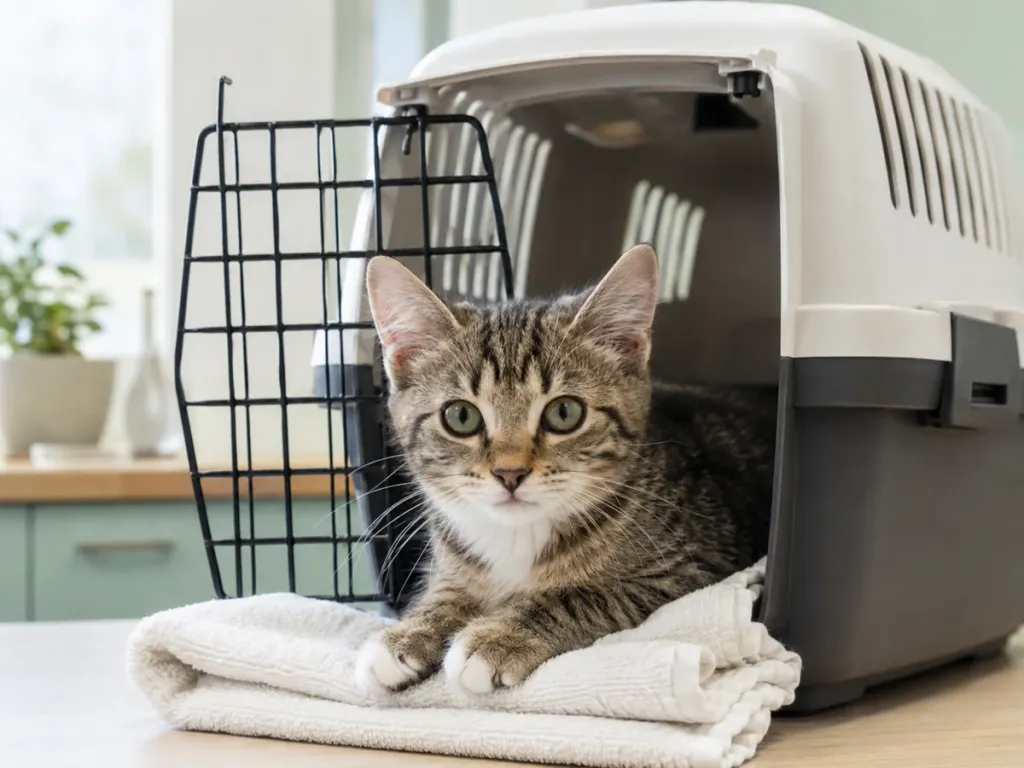
As soon as you’ve acquired your cat or kitten, arrange a routine health check with a qualified local professional. Keep any paperwork so vaccination, deworming, flea and tick control, insurance and microchip details stay easy to check.
Kittens need their first vaccination at 9 weeks of age, followed by their second vaccination at 12 weeks old. They are fully protected at 13 weeks old and ready to go outside into the big wide world.
All cats older than this that have not been vaccinated will need a course of 2 vaccinations — 3 weeks apart.
Vaccinations
Vaccinations are against the main diseases that we see that can kill your cat:
- Feline Enteritis — a virus causing acute vomiting and diarrhoea.
- Cat ‘flu — caused by the 2 major viruses and bacteria that cause coughing, sneezing and pneumonia.
- Feline Chlamydophila — a bacterial disease that causes a ‘flu-like illness.
- Feline Leukaemia — a virus that causes cancer of the immune system.
Adult cats also need an annual health check and booster vaccination.
Flea and tick control
Flea and tick control is very important. We recommend one of the following methods: a monthly spot-on, or a 3-monthly spot-on, or a 6-month collar, or a 6-month injection. There are lots of products available through supermarkets and pet shops, but the most effective treatments are only available through a veterinary practice.
Deworming
The same is also true for deworming control — we have tablets or spot-on dewormers that will kill all the tapeworms, lungworms, roundworms and whipworms that affect cats and kittens. We recommend that your kitten is dewormed every 2 weeks until 12 weeks old, and then 3 or 4 times each year.
Microchipping
Microchipping your cat or kitten is important. A microchip the size of a grain of rice is injected into the cat’s scruff, simply and painlessly. The chip has a unique 15-digit number that correlates with your contact details.
Pet health insurance
Pet health insurance is something that you should definitely consider. There are lots of policies on the market, so compare the excess, exclusions, claim limits and whether dental or ongoing conditions are covered.
Food
We think that dry complete food is best. The food changes as your kitten develops into a young adult and then a more mature cat. He’ll do best if you start him off with a kitten diet, then progress to young adult and then mature adult diets. That way he’ll get just the right nutrients to suit his age.
If you are unsure what to feed, choose a complete food matched to your cat’s age and lifestyle, or ask a qualified nutrition or veterinary professional.
Practical matters
Fitting a cat flap to your outside door will allow your cat access to the outside, where they can exercise and socialise with other cats. All cats and kittens have an urge to dig and bury their wastes when they toilet, so they will either need access to the garden or to a litter tray.
Breeding
Female cats
Female cats (queens) will normally have their first season when they are about 5 to 6 months old, so it is important to consider the options early. Surgical neutering at around 4 to 5 months is commonly recommended if you do not want her to have kittens of her own.
A season is called “calling”, as the female cat cries to attract male tom cats in order to mate. This can be very disconcerting if you are not prepared for it. The call of the queen usually lasts for 3 to 4 days, unless the queen has been mated. Your cat will then fall out of season for about 10 days before another season starts. This usually goes on for about 4 to 6 seasons until the cat becomes pregnant or the season stops. This cycle is then repeated every six months.
Pregnancy lasts for about 9 weeks. Litter size varies with age, with older queens typically having larger litters. A kitten’s eyes open at about 2 weeks and weaning is at 5 or 6 weeks. Kittens are extremely energetic, so be prepared for some antics.
Get prompt professional advice if you are worried about mum, or if any kittens are failing to thrive.
Male cats
Male tom cats will start to hunt for females to mate with from the age of about 6 months. They will also start to wee in the house to mark their territory. We recommend that all tom cats are castrated before this age unless intended for breeding.
Kitten timetable
- First vaccination at 9 weeks
- Second vaccination at 12 weeks
- Fully protected at 13 weeks — then out into the big wide world
- Older unvaccinated cats: a course of 2 vaccinations, 3 weeks apart
- Deworm every 2 weeks until 12 weeks old, then 3–4 times a year
Frequently asked questions
When should a kitten be neutered?
Does my indoor cat still need flea treatment?
Does my cat need a litter tray if it goes outside?
Read more animal care notes
The site is currently an information-only blog. It does not accept bookings, calls, visits or urgent-care requests.