Pet advice
Dogs and Puppies
Puppies need their first vaccination at 6 to 8 weeks of age, followed by their second vaccination at 10 weeks old. They are fully protected at 11 weeks old and ready to go outside onto the streets and parks.
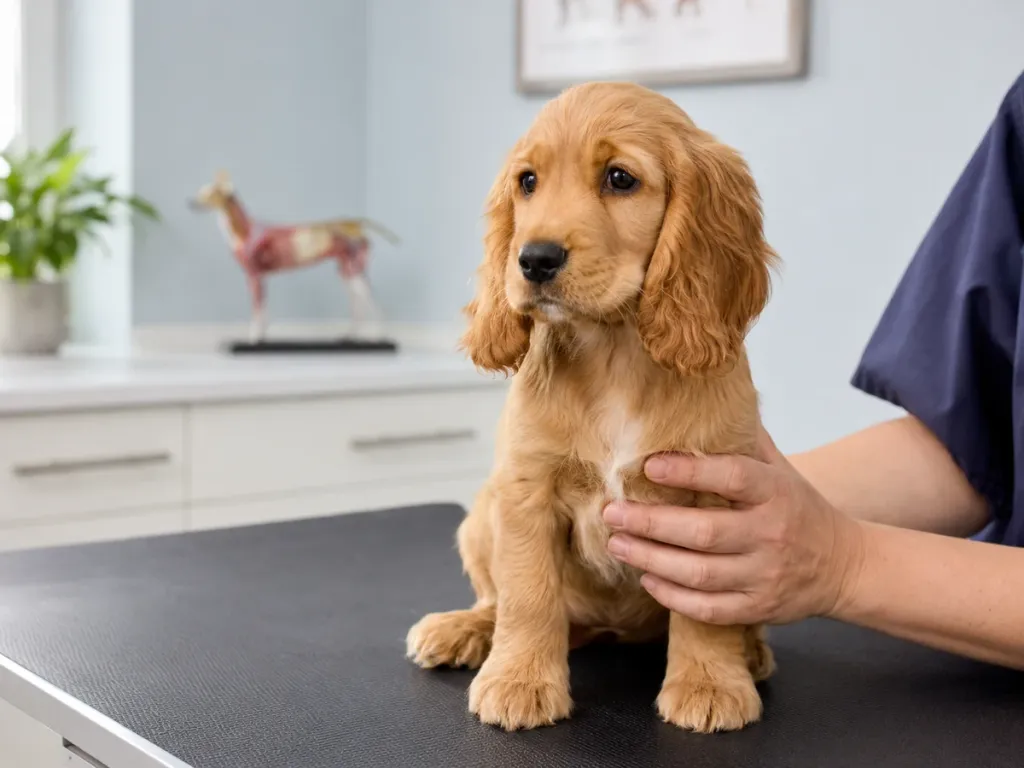
As soon as you’ve acquired your puppy or dog, arrange a routine health check with a qualified local professional. Keep any paperwork so vaccination, deworming, flea and tick control, insurance and microchip details stay easy to check.
Puppies need their first vaccination at 6 to 8 weeks of age, followed by their second vaccination at 10 weeks old. They are fully protected at 11 weeks old and ready to go outside onto the streets and parks.
All dogs older than this that have not been vaccinated will need a course of 2 vaccinations — 4 weeks apart — and then they are able to go outside immediately.
Vaccinations
Vaccinations are against the 4 killer diseases that we see:
- Distemper — a viral disease that causes nerve and brain disease, and fits.
- Parvovirus — causing acute vomiting and diarrhoea.
- Hepatitis — a virus that causes acute liver disease and liver failure.
- Leptospirosis — a bacterial disease that affects both the liver and kidneys.
You can also choose to have your dog vaccinated against Kennel Cough and Rabies.
- Rabies is a viral infection that is fatal to dogs, and vaccination is essential for dogs travelling out of the UK.
- Kennel Cough is a bacterial infection that causes a nasty, hacking cough. This is a nasty disease that will make your dog ill but won’t kill them like the other infections. It’s often a requirement if you plan to leave your dog in kennels whilst you are away on holiday.
Flea and tick control
Flea and tick control is very important. We recommend one of the following: a spot-on treatment applied every month, or a 3-monthly tablet, or a 6-monthly collar. There are lots of products available through supermarkets and pet shops, but the most effective treatments are only available through a veterinary practice.
Deworming
The same is also true for deworming control — we have tablets that will kill all the tapeworms, lungworms, roundworms and whipworms that affect puppies and dogs. We recommend that your puppy is dewormed every 2 weeks until 12 weeks old, and then 3 or 4 times each year.
Microchipping
Microchipping your dog or puppy is important. A microchip the size of a grain of rice is injected into the dog’s scruff, simply and painlessly. The chip has a unique 15-digit number that correlates with your contact details.
Pet health insurance
Pet health insurance is something that you should definitely consider. There are lots of policies on the market, so compare the excess, exclusions, claim limits and whether dental or ongoing conditions are covered.
Exercise
It sounds obvious, but before you choose a dog or a puppy think about how much time you have to exercise them. The amount of exercise that your dog requires will vary according to the dog’s age and breed. Toy breeds like Chihuahuas or Pomeranians need a lot less exercise than working dogs. Be prepared for plenty of exercise if you choose something like a Springer Spaniel or a Border Collie!
Food
The amount of food your dog will need will vary according to the size and activity level of your dog. We think that dry complete food is best. The food changes as your dog develops, and he’ll do best if you start him off with a puppy diet, then progress to young adult and then mature adult diets. That way he’ll get just the right nutrients to suit his age.
Please note that large breed puppies like Labradors and German Shepherds have slower growth rates compared to smaller breeds. It is vital to feed a Large Breed Growth diet to larger breed puppies.
If you are unsure what to feed, choose a complete food matched to your dog’s age, size and activity, or ask a qualified nutrition or veterinary professional.
Toilet training
Puppies, like people, respond to your positive encouragement. Puppies will generally want to toilet after exercise, feeding or sleep. If you think that they may need to toilet, scoop them up, go outside and stay with them for a few minutes. Giving rewards for success will pay dividends. Lots of praise and attention, stroking and maybe a food treat will tell the puppy that a reward is made for toileting correctly, and will encourage him.
Dog and puppy training
Local obedience, puppy training and agility classes can be fun and can be an enormous help.
Birth control and breeding
Whatever pet you have, you must consider the awkward topic of birth control and breeding, most especially if you have a female pet.
Female dogs
A bitch will normally have her first season between 5 and 9 months of age — unless you have a giant breed, where the first season is usually much later. Discuss the options at an early health check to avoid any unexpected surprises. Unless you plan to allow your bitch to have a litter of pups, surgical neutering before her first season is commonly recommended.
If you would like your bitch to have a litter at some point in the future but are not ready yet, ask a qualified professional about the options for managing seasons.
Male dogs
Male dogs can also be neutered, sometimes for behavioural reasons. Unpleasant habits or difficult-to-manage behaviour can include roaming, barking, aggression, weeing in the house and excessive sexual activities. Castrating a male dog will reduce and resolve these problems.
Breeding
If you want to breed from your dog, get professional advice first and make sure your dog is in good health before she becomes pregnant. Her season will usually last for about 3 weeks and she will be pregnant for about 9 weeks. Litter size will vary, but small breeds usually have between 2 and 4 pups and large breeds between 8 and 12 pups. Usually a bitch will manage to give birth naturally, but if you are at all worried, contact a qualified professional directly.
Once the puppies are born, be prepared for a lot of fun. Puppies’ eyes open at about 2 weeks and weaning is from 5 or 6 weeks. Get prompt professional advice if you are worried about mum, or if any puppies are failing to thrive.
What should I do if I think my dog has been mated accidentally?
If your bitch is accidentally mis-mated, contact a qualified professional quickly to discuss the available options and timing.
Puppy timetable
- First vaccination at 6–8 weeks
- Second vaccination at 10 weeks
- Fully protected at 11 weeks — then out to the streets and parks
- Older unvaccinated dogs: a course of 2 vaccinations, 4 weeks apart, then straight outside
- Deworm every 2 weeks until 12 weeks old, then 3–4 times a year
Frequently asked questions
How much exercise does my dog need?
Do large-breed puppies need different food?
Is Kennel Cough vaccination necessary?
Read more animal care notes
The site is currently an information-only blog. It does not accept bookings, calls, visits or urgent-care requests.