Pet advice
Rabbits
Rabbit care notes covering vaccinations, hay-based diet, housing, parasite control, microchipping and neutering.
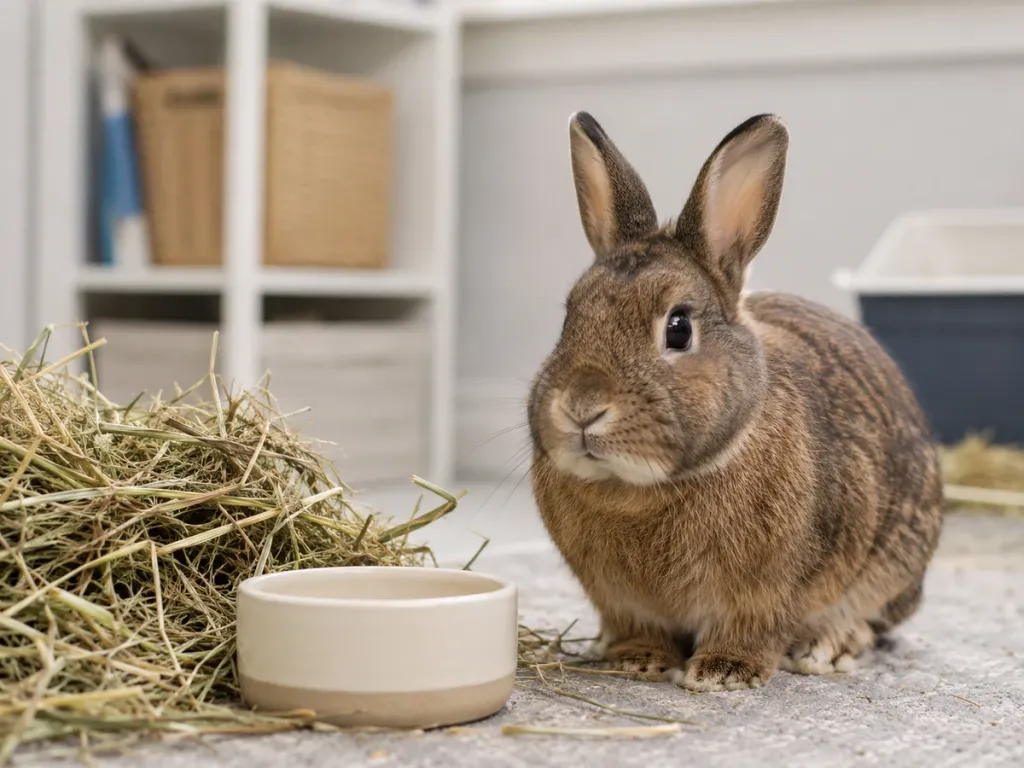
As soon as you’ve acquired your new rabbit, arrange a routine health check with a qualified local professional. Keep any paperwork so vaccination, deworming, flea and tick control, insurance and microchip details stay easy to check.
Vaccinations
Vaccinations are against the two main fatal diseases:
- HVD — Haemorrhagic Viral Disease can cause acute bloody diarrhoea and sudden death. We have seen this disease in local rabbits.
- Myxomatosis — a virus that causes acute illness and swollen eyes and lips. We see myxo every year in wild rabbits that are sometimes brought in.
Baby rabbits receive just one injection for both diseases, and adult rabbits need an annual health check and booster vaccination every year.
Food
This is very important if your rabbit is to remain healthy. We recommend that your rabbit is fed a diet that is based on hay in the winter and grass in the spring, summer and autumn. Grazing outside in an outside run and feeding hay in a small hay net is the best.
You can also feed as many greens as they wish to eat — kale, beetroot and carrot tops, broccoli, lettuce and cabbage leaves, parsley, chicory, dandelions. Only feed root vegetables and fruit as a treat, on an occasional basis.
Fleas and deworming
Deworming is very important and needs to be done a few times each year, against both internal worms and a parasite called E. cuniculi. We recommend you use an oral paste for 28 days a few times each year. Flea control is by a monthly spot-on. There are lots of products available through supermarkets and pet shops, but the most effective treatments may only be available through a veterinary practice. Choose products carefully and check that they are specifically safe for rabbits.
Microchipping
This is important in case your bunny should escape and become lost. A microchip the size of a grain of rice is injected into the rabbit’s scruff, simply and painlessly. The chip has a unique 15-digit number that correlates with your contact details.
Pet health insurance
Pet health insurance is something that you should definitely consider. There are lots of policies on the market, so compare the excess, exclusions, claim limits and whether dental or ongoing conditions are covered.
Hutch or house?
You can either keep your bunny as a house rabbit, or they can live outside in a hutch. Most rabbits prefer the company of another rabbit rather than living alone. House rabbits will need a litter tray for their toileting, and grass should be cut and brought to them inside. Rabbits living outside will really benefit from having an outside run attached to their hutch, that lets them enjoy the sunshine and allows them to graze.
What can go wrong?
We see a variety of medical problems in rabbits, ranging from bowel and bladder disorders to epilepsy and fly strike. Dental problems are very frequently seen, especially if a poor diet has caused teeth to become malaligned. This can easily be remedied, although a general anaesthetic is required so that the rabbit can have his teeth clipped and rasped — but this may need to be done again from time to time.
Neutering
Unless you want to breed from them, we recommend that both male and female rabbits are surgically neutered for behavioural reasons, as un-neutered rabbits can be aggressive to both humans and to other bunnies in the group.
Pregnancy and birth
Rabbits become sexually active at the age of 16 weeks and the females are pregnant for 4 weeks. The normal litter size is about 6 and kits will wean at 6 weeks.
Rabbit essentials
- Vaccination against Myxomatosis and Haemorrhagic Viral Disease — one injection covers both in babies
- Annual health check and booster every year
- Diet based on hay in winter and grass in spring, summer and autumn
- Deworm a few times a year, including against E. cuniculi
- Monthly spot-on for flea control
Frequently asked questions
Why do rabbits get so many dental problems?
Can I keep a rabbit indoors?
Should rabbits live alone?
Read more animal care notes
The site is currently an information-only blog. It does not accept bookings, calls, visits or urgent-care requests.