Pet advice
Reptiles and Amphibians
Care notes for snakes, water dragons, chameleons, lizards, geckos, turtles, tortoises, iguanas, salamanders, axolotls, frogs and toads.
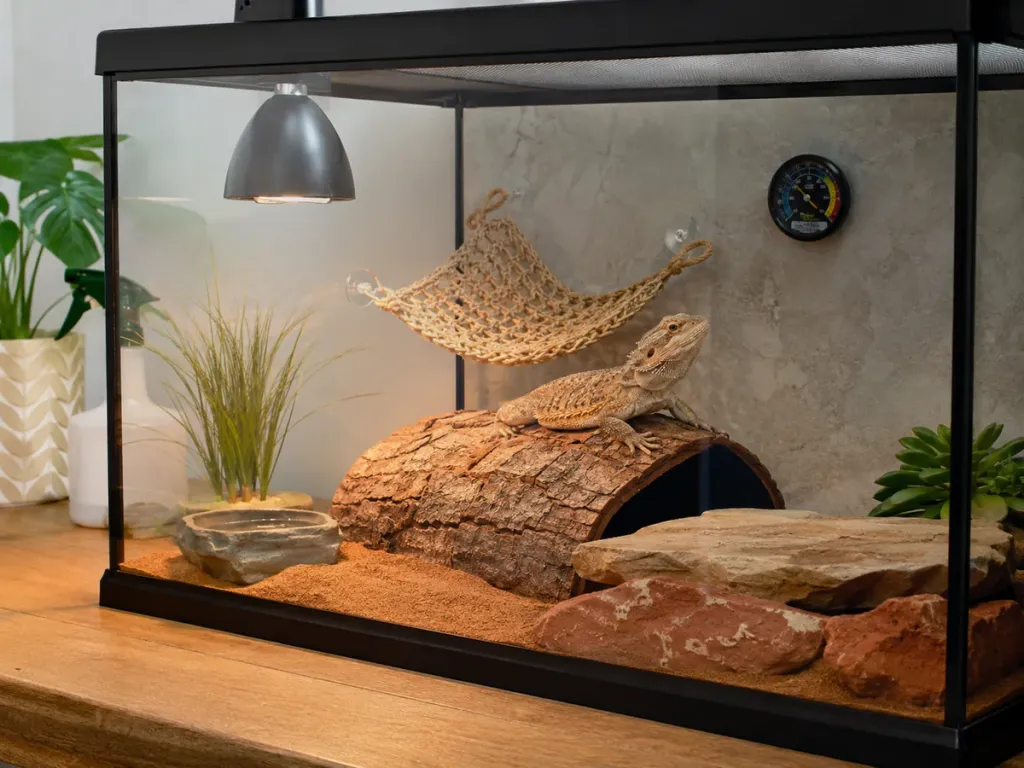
These notes cover many different species of reptiles and amphibians: snakes, water dragons, chameleons, lizards, geckos, turtles, tortoises, iguanas and crocodilians, salamanders, axolotls, caecilians, frogs and toads.
All reptiles and amphibians are cold-blooded creatures, and all of the different species will have a different “POTZ”, or preferred optimal temperature zone — which is the preferred temperature of your species.
Different species will also have vastly different dietary needs, husbandry, environment and hibernation needs, in addition to the maintenance of their own POTZ. It is therefore vital that you know what the individual preferences for your reptile or amphibian species are, and replicate these as best as you can. Most reptiles will need some form of artificial lighting in addition to their other needs.
Sexing reptiles and amphibians can be a real challenge — best carried out by an expert.
What can go wrong?
Many common problems are the result of incorrect diet, husbandry and housing, and making changes can often sort the problem out. Other common problems include post-hibernation anorexia in tortoises, fungal mouth infections, skin diseases, bowel disorders and various parasites. Most are straightforward to treat with the right assessment. If you are worried, contact a qualified professional directly.
A word about water: amphibians do need clean water to live in, so there is no need to bother with water conditioners. Simply use ordinary tap water that has been left to aerate for a few days to allow the chlorine to dissipate.
Supplements
Vitamin and mineral supplements formulated specifically for exotic species have been improving the health of snakes, tortoises, amphibians and other reptiles for years, and the specialist ranges are updated in line with current veterinary research. General pet-shop supplements are usually not the same thing. Ask us which supplement suits the species you keep, and how much of it your animal actually needs — over-supplementing is as much of a problem as under-supplementing.
Get these right first
- Know your species' POTZ — preferred optimal temperature zone — and hold it
- Most reptiles need artificial lighting as well as heat
- Diet, humidity and hibernation needs vary enormously between species
- Sexing is a real challenge and is best carried out by an expert
- Amphibians: plain tap water, aerated for a few days, not a water conditioner
Frequently asked questions
My tortoise won't eat after hibernation.
Do I need a water conditioner for my amphibians?
Which species are covered?
Read more animal care notes
The site is currently an information-only blog. It does not accept bookings, calls, visits or urgent-care requests.