Pet advice
Small Furries
Care notes for hamsters, guinea pigs, rats, mice, chinchillas, degus, gerbils, duprasis and chipmunks.
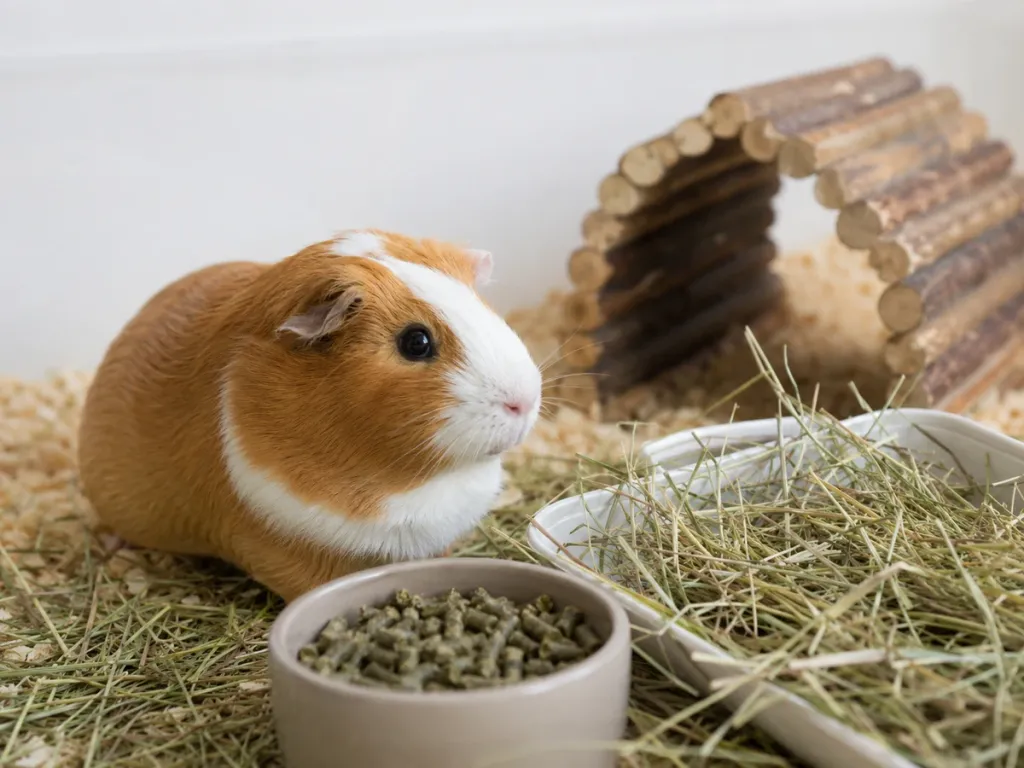
We use this term to describe the many small furry animals kept as pets. These include rats, mice, hamsters, chinchillas, guinea pigs, degus, gerbils, duprasis and chipmunks.
Of course it is important to know all about your particular species to ensure that your pet receives the correct food and environment — housing, bedding and so on — and that they are handled in the right way.
You might need help in determining the sex of your pet, as this can sometimes be surprisingly tricky. Depending on the species concerned, you may need to house your small furries in separate groups to prevent either breeding or fighting, or perhaps both.
Supplements
Vitamin and mineral supplements formulated specifically for exotic species have been improving the health of guinea pigs, rats, mice, hamsters, chinchillas, degus, gerbils and chipmunks for years, and the specialist ranges are updated in line with current veterinary research. Choose a supplement that is formulated for the exact species you keep.
How long will my pet live?
All the small furries have a lifespan of approximately 2 years, except for guinea pigs and chipmunks, who will live for around 5 years, whilst chinchillas and degus can easily live for 10 years.
Breeding
We recommend that all of the small furries — rats, mice, hamsters, chinchillas, guinea pigs, degus, gerbils, duprasis, chipmunks — are kept in separate colonies of males and females, or are surgically neutered according to their species recommendation. The individual details are as follows.
| Pet | Puberty | Pregnancy | Litter size | Eyes open | Weaning |
|---|---|---|---|---|---|
| Rats | 4 weeks | 3 weeks | 6–13 | 12 days | 21 days |
| Mice | 6 weeks | 3 weeks | 7–12 | 12 days | 18 days |
| Hamsters | 8 weeks | 2–4 weeks | 5–10 | 12 days | 21 days |
| Chinchillas | 6 months | 14 weeks | 2–6 | at birth | few days |
| Guinea pigs | 3 months | 8–10 weeks | 2–5 | at birth | few days |
| Degus | 6 months | 12 weeks | 5–6 | at birth | few days |
| Gerbils | 3 months | 3–6 weeks | 3–6 | 21 days | 28 days |
| Duprasis | 3 months | 3 weeks | 3–5 | 16 days | 21 days |
| Chipmunks | 1 year | 4–5 weeks | 3–5 | 5 weeks | 6 weeks |
What can go wrong?
The most common problem in many small furries is dental disease, usually as a result of an incorrect diet that has softened the bones supporting the cheek teeth. This results in the tooth roots shifting their position so that the tooth arcades become malaligned. This needs professional assessment and may require trimming or rasping under a general anaesthetic.
Other common ailments include respiratory disease in rats and mice, bowel disease in hamsters and gerbils, large skin tumours in rats and mice, diabetes in hamsters, skin mites in guinea pigs, and ringworm in all of the small furries.
But don’t let this put you off. The small furries can make great pets if you choose wisely, especially for children.
Lifespans, roughly
- Most small furries: about 2 years
- Guinea pigs and chipmunks: around 5 years
- Chinchillas and degus: easily 10 years
- Keep separate male and female colonies, or neuter according to the species
- Dental disease is the single commonest problem we see, and it starts with diet
Frequently asked questions
Why do so many small furries get dental disease?
Can you tell me whether my pet is male or female?
Are they good pets for children?
Read more animal care notes
The site is currently an information-only blog. It does not accept bookings, calls, visits or urgent-care requests.